
Introduction
In offshore engineering, quality is not a standalone attribute but the core of every successful project. It determines how a design translates into a functional, reliable, and safe system capable of withstanding the complex conditions at sea. Quality means that every detail is right from the very beginning.
It is about the ability to oversee both the details and the bigger picture, and to make decisions in every phase that lead to a ‘first-time-right’ result. This requires not only technical expertise, but also a structured approach in which design, execution, and collaboration align seamlessly.
One integrated approach to complexity
At MechDes Engineering, quality is the common thread running throughout the entire process. In offshore projects, where vessels are equipped with advanced mission equipment, the challenge is significant: multiple disciplines and parties work together on one integrated system. This makes quality more than a technical matter; it becomes a matter of working systematically, communicating clearly, and coordinating integrally.
Quality at sea is therefore not a detail; it is the compass that guides offshore engineering. It shapes the decisions that are made, the collaboration that is established, and the results that are delivered. It is the driving force behind ‘first-time-right’ projects that build trust and form the foundation for successful cooperation in a demanding environment.
Quality starts with a solid design
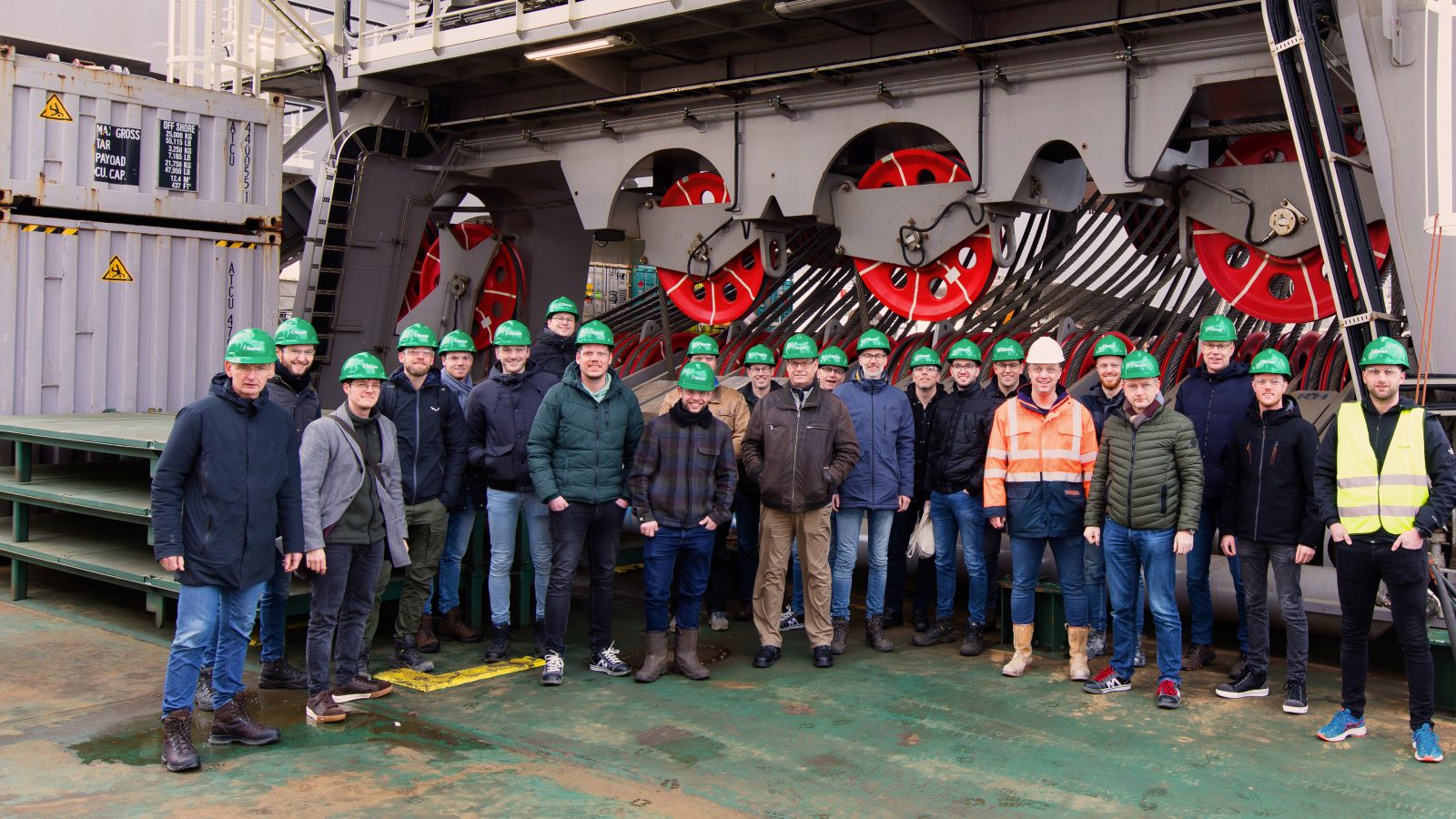
At sea, quality does not begin with steel, but with thinking. The design phase lays the foundation for performance, safety, and reliability. Our engineers look beyond the ideal operating condition alone. From the very first concept, multiple aspects of mechanical equipment, including hydraulics, electrical systems, control systems, and shipbuilding, are brought together into one integrated design.
A strong offshore design takes reality into account: wind, waves, corrosion, limited resources, and sometimes truly harsh conditions. The equipment must continue to operate even when circumstances are unfavorable. This requires a survival mindset in engineering: robust, well-considered, and maintainable.
The result is a design in which all components logically connect, maintenance at sea remains feasible, and unexpected situations have been anticipated. Only when everything is right in the design can you rely on it to perform under the most demanding conditions.
Integral engineering and interface management
A strong design never stands alone. Designs that must perform ‘first-time-right’ at sea require more than internal perfection; they must seamlessly connect with the designs of other stakeholders. This is where interface management comes into play.
Interface management is the process in which interfaces between disciplines, scopes, and parties are explicitly identified, aligned, and verified. In offshore projects, these interfaces are numerous: from shipbuilding and equipment to secondary systems such as sprinklers, cable trays, or hydraulic piping. Poorly aligned interfaces can lead to delays, unexpected costs, or even safety risks, exactly what our survival-oriented design principles aim to prevent.
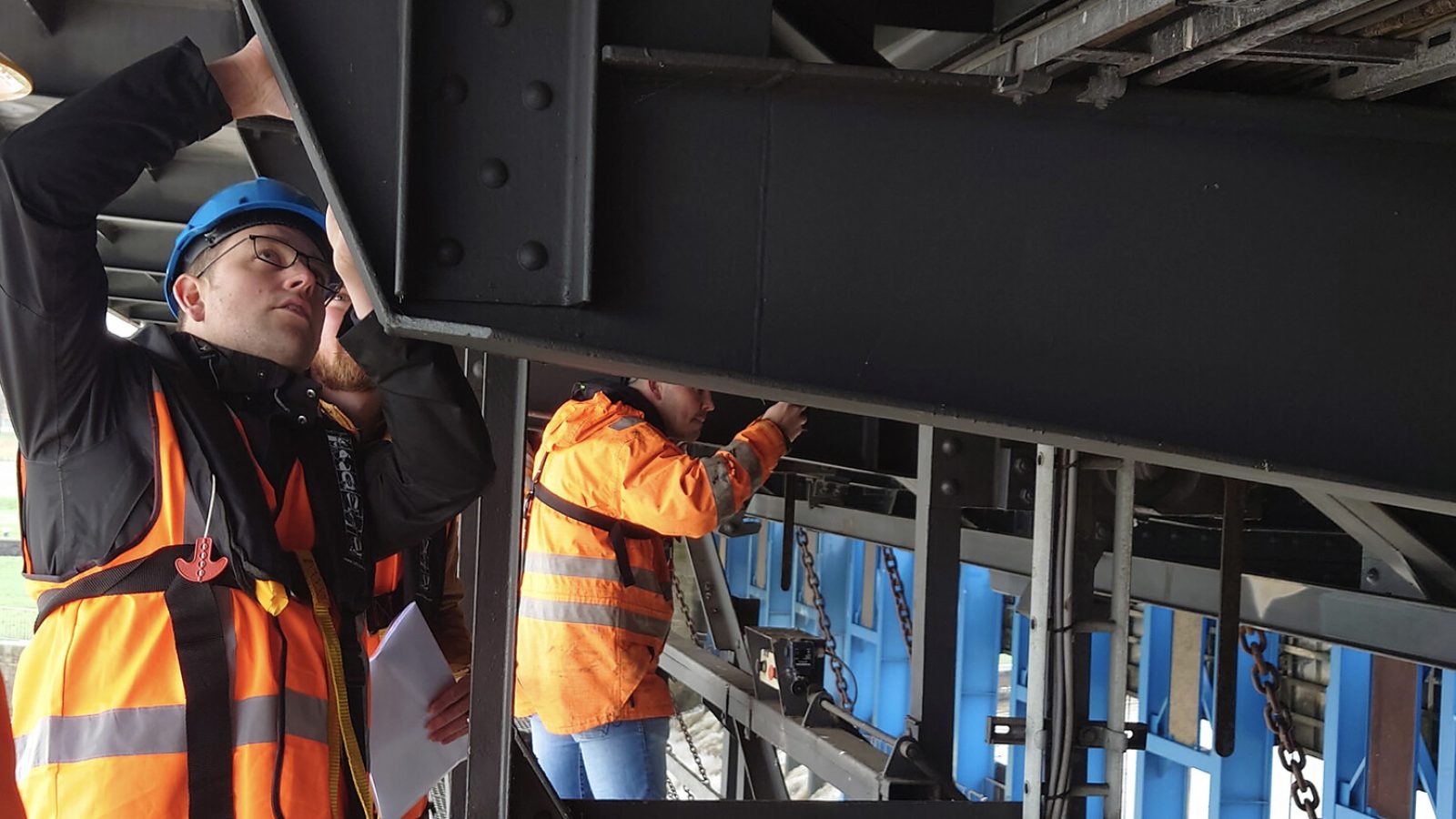
At MechDes, we combine integral engineering with structured interface management. We do this through multidisciplinary coordination, supported by 3D models, VR simulations with digital prototypes, and physical site inspections. This enables us to virtually validate how all components interact in different operating positions and scenarios, preventing surprises during construction and installation.
Hybrid 2D and 3D delivery documentation: safeguarding quality
Technical verification plays a central role: thorough delivery documentation, including 2D drawings, ensures that designs are realized ‘first-time-right’.
While 3D models are becoming increasingly important for visualization, simulations, and digital collaboration, traditional 2D drawings remain essential. In offshore projects involving mission equipment, tolerances, interfaces, and production alignment are critical. A minor deviation can result in delays, additional costs, or even safety risks.
Our 2D documentation fulfills three key functions:
- Control instrument: translating the digital 3D model into clear drawings allows engineers to critically verify manufacturability and practical feasibility.
- Communication tool: for production partners worldwide, the 2D drawing remains the universal contract document. Welders, machinists, and assembly teams can see all relevant information at a glance.
- Risk mitigation: an additional verification layer on top of the digital model prevents errors and reinforces the ‘first-time-right’ principle, ensuring the maintainability and operational reliability of the equipment.
By sharing this knowledge within the team, we ensure that quality is not only technically safeguarded but also embedded in the project culture. Delivery documents therefore align with the well-considered design, the maintenance perspective, the survival mindset, and the designs of other stakeholders.
At MechDes, we combine 2D and 3D in a smart way. The 3D model is used for simulations, virtual assemblies, and VR sessions, enabling all parties to gain insight into workspaces, access routes, and maintainability. At the same time, 2D drawings serve as the formal delivery documentation and verification tool. This hybrid approach maximizes reliability and efficiency: design, production, and installation align optimally, and all critical parameters are verified.
A culture of precision, focus, and commitment
Quality in offshore engineering is not achieved through technical verification alone, but also through a culture in which precision, focus, and commitment are self-evident. This means everyone takes responsibility, and processes are structured to continuously safeguard quality. Clear agreements on scope, boundary conditions, and responsibilities form the foundation, while regular design reviews and checks in every project phase ensure that quality is not a one-time event but an ongoing process.
At MechDes, we maintain a clear distinction between Lead Engineers and Project Managers, and that makes a difference. Lead Engineers focus entirely on technology, processes, and quality: they verify designs, refine details, and ensure every component is correct. Project Managers focus on planning, budget, and communication. They act as filter and single point of contact, allowing the team to concentrate fully on what truly matters: safe, reliable, and practical mechanical engineering solutions.
In knowledge-intensive projects such as offshore engineering, focus is crucial. As Arjan Schouten, Project Manager at MechDes, explains in his article, it takes an average of eight minutes to fully regain concentration after an interruption. That is why we protect our engineers’ focus by carefully filtering information and structuring communication. This ensures the team’s energy remains directed toward content and enables complex challenges to be resolved efficiently.
Quality at sea goes beyond error-free designs. It is about trust: trust from clients, partners, and end users that systems will perform as intended, even under extreme conditions. This trust is built by consistently working according to proven methods, including movement-based design reviews, site visits, and structured communication between all involved parties.
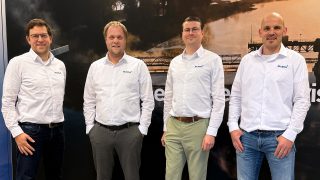
Continue the conversation? Meet us at OEEC 2025
Quality at sea is built on experience, knowledge sharing, and a culture of precision and commitment. At MechDes, we apply this every day: complex offshore projects are delivered ‘first-time-right’ thanks to our integrated approach and close collaboration with all stakeholders. We would be pleased to show you how our engineers and project managers work together to minimize risks and maximize value.
Discover at OEEC 2025 how we make this happen. Join the conversation about our approach, experience our vision on quality in offshore engineering, and explore the solutions we can offer for your next offshore challenge and project.
Visit us on 25–26 November at RAI Amsterdam, stand 1.409-1.